
For many Nigerians, the moment of arrival abroad feels like the final step in the relocation journey.
After months or even years of planning, securing a visa, and traveling, it is natural to believe that the hardest part is over.
However, in reality, arrival is only the beginning.
In 2026, many migrants are discovering a critical truth: getting into a country is not the same as settling in it.
The Difference Between Arrival and Settlement
Arrival means you have successfully entered a country.
Settlement means you have achieved stability within it.
True settlement involves:
- Stable income
- Secure housing
- Legal and documentation compliance
- Financial balance
- Emotional and social adjustment
These take time to build.
The First 90 Days Reality
The initial months after arrival are often the most challenging.
Many migrants face:
- Delays in securing employment
- Temporary or unstable accommodation
- High upfront living costs
- Administrative processes such as registration and documentation
This period can feel uncertain and overwhelming.
Employment Is Not Always Immediate
Even with a job offer, adjustment takes time.
In some cases:
- Work may start later than expected
- Job roles may require adaptation
- Additional certifications or onboarding processes may be needed
Without immediate income, financial pressure can build quickly.
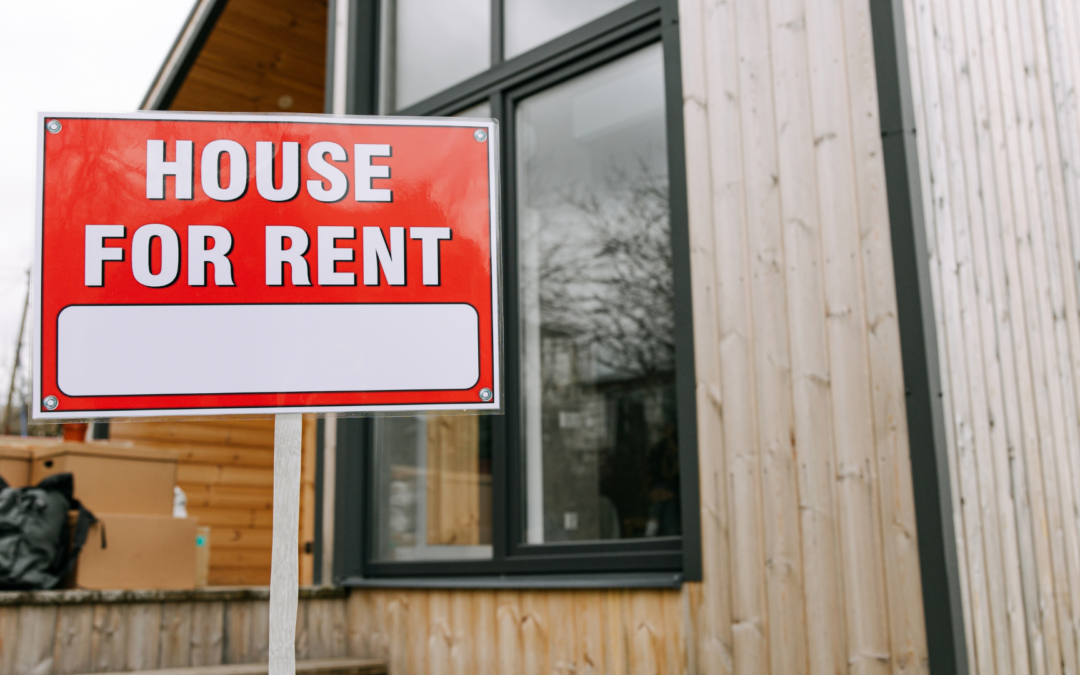
Housing Challenges
Finding stable accommodation abroad is often more difficult than expected.
Migrants may encounter:
- High rental costs
- Deposit requirements
- Documentation demands
- Limited availability in certain cities
Temporary housing is common in the early stages.
Financial Adjustment
Many migrants underestimate the gap between expected and actual expenses.
Costs may include:
- Transportation
- Food and daily living
- Utility setup
- Insurance and documentation
Even with savings, managing finances requires careful planning.
Emotional and Social Adjustment
Beyond practical challenges, settlement also involves emotional adaptation.
Migrants may experience:
- Isolation in a new environment
- Cultural differences
- Pressure to succeed quickly
- Adjustment to independent living
This phase is often underestimated but very real.
Why the Settlement Illusion Exists
The idea that arrival equals success is driven by:
- Social media narratives
- Success stories without full context
- Pressure to show progress
- Lack of information about post-arrival realities
This creates unrealistic expectations.
What Real Settlement Looks Like
True settlement happens gradually.
It includes:
- Consistent income over time
- Stable housing arrangements
- Understanding local systems
- Building routines and networks
- Achieving financial balance
It is a process, not an event.
The Risk of Misunderstanding Settlement
Believing that arrival equals stability can lead to:
- Poor financial planning
- Emotional stress
- Unrealistic timelines
- Disappointment in early stages
Understanding the process helps manage expectations.
The Loyalty Travels Perspective
At Loyalty Travels and Logistics Ltd, we emphasize that relocation is a journey with multiple stages.
We guide clients to prepare not just for travel, but for settlement by focusing on:
- Realistic timelines
- Financial readiness
- Post-arrival planning
- Long-term stability strategies
Success abroad is built step by step.
Conclusion
Arriving abroad is an important milestone, but it is not the final destination.
In 2026, successful migrants are those who understand that settlement requires time, planning, and adaptability.
📌 Relocation Planning
📌 Pre-Departure Guidance
📌 Settlement Advisory
NB: Settlement outcomes vary based on preparation, timing, and individual circumstances.
Contact Loyalty Travels and Logistics Ltd today to begin your relocation journey.