
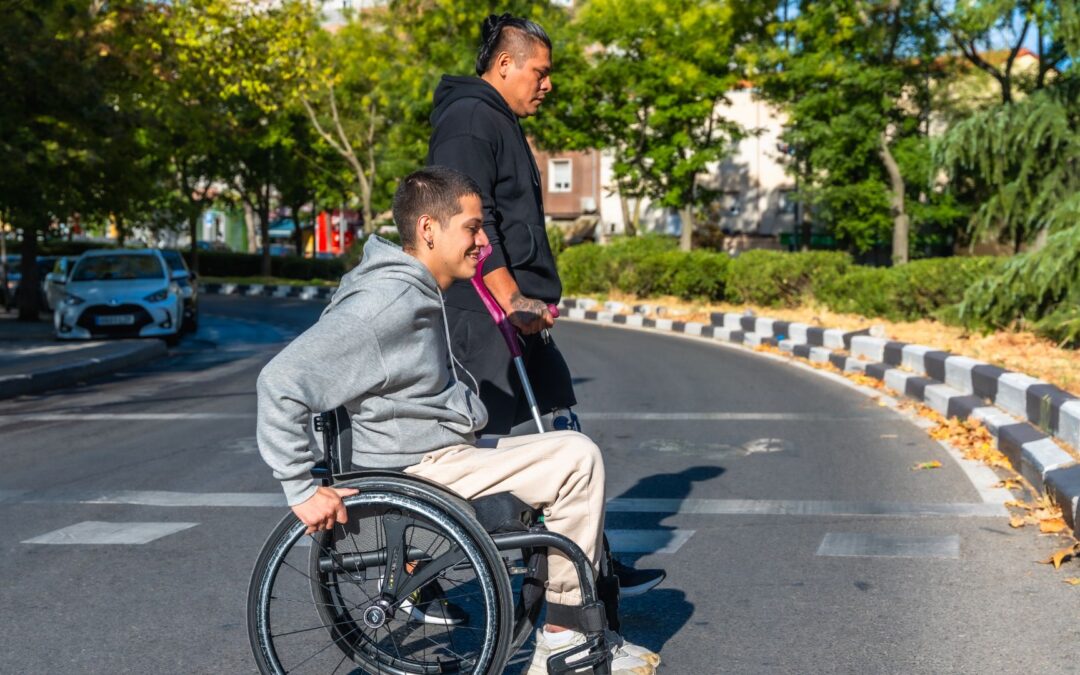
Relocating for education is a bold step, but doing so with a disability takes a special kind of courage and planning. As a Nigerian student with a physical, learning, or psychological disability, you have every right to study abroad, thrive, and access support. But to succeed, you must understand the systems, resources, and responsibilities that await you in your destination country.
Here’s what you need to know before applying to study abroad as a Nigerian student with a disability.
1. Start with Self-Advocacy
Before you apply to any school abroad, take time to understand your own needs. What type of support do you require? Is it mobility-related, academic, or mental health support? Being clear about this will help you ask the right questions during your application process.
2. Choose Disability-Friendly Countries
Some countries are more disability-inclusive than others. Generally, the UK, Canada, Australia, Ireland, the Netherlands, and the Scandinavian countries have strong legal protections and support systems for disabled students. These nations are also more likely to offer:
- Campus accessibility (e.g. ramps, elevators)
- Accessible accommodation
- Sign language or note-taking support
Modified exam arrangements
Mental health services
If the country or school doesn’t clearly state its disability support policies, that’s a red flag.
3. Ask These Questions Before You Apply
When selecting your school or course, reach out to the university’s disability office and ask:
What services are available for international students with disabilities?
Do you provide assistive technology or learning aids?
Can I get extended time during exams or assignments?
What accessible housing options do you offer?
Is there financial aid or scholarships for students with disabilities?
These questions help you gauge how prepared the school is to support you.
4. Documentation is Key
To receive accommodations abroad, you’ll need to provide medical documentation. This typically includes:
A recent medical report or diagnostic assessment
A formal letter from a doctor or licensed professional
Specific details about your condition and the accommodations required
Make sure your documents are recent, professionally translated (if necessary), and ready before you begin your visa or school application.
5. Visa and Immigration Notes
Most countries do not discriminate against visa applicants with disabilities—but you may need to disclose your condition during medical checks or while applying for health insurance. If your condition affects your mobility, mental health, or daily function, you may also need to prove you can access care or support in your new country.
Let your travel consultant know early so that accommodations (like wheelchair-friendly flights or priority assistance) can be arranged.
6. Funding and Scholarships
There are scholarships specifically for students with disabilities. Examples include:
The Snowdon Trust Grants (UK)
Google Europe Scholarship for Students with Disabilities
DAAD Scholarships for international students with special needs (Germany)
Ask your school’s financial aid office or search on disability advocacy websites for more.
7. Prepare Emotionally and Culturally
It’s not just about physical access. Moving abroad can be mentally and emotionally taxing. Prepare for:
Cultural differences in how disability is perceived
Possible isolation (at first)
Navigating new support systems
Joining student disability groups or mentorship programs early can make a huge difference.
Final Thoughts
Disability shouldn’t disqualify you from chasing global opportunities. With the right information, planning, and support, you can thrive in any academic environment.
At Loyalty Travels and Logistics Ltd, we don’t just secure your admission—we also walk the journey with you. If you need help selecting a disability-friendly school, preparing your documents, or arranging accessible travel, we’re ready.
Reach out today and let’s plan your journey with care.