
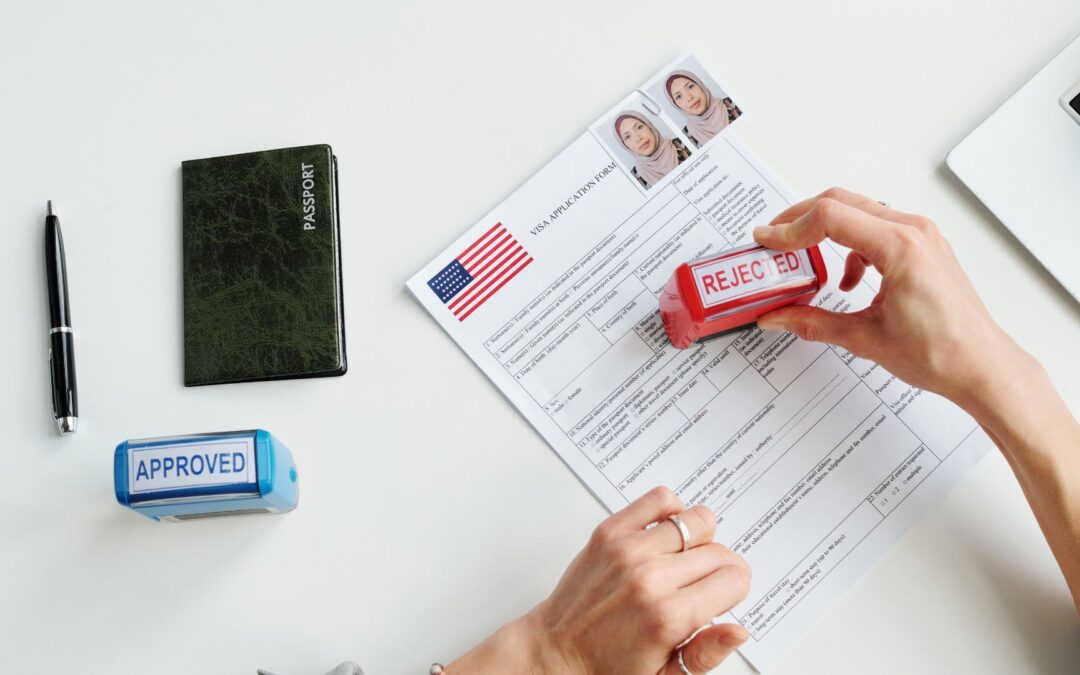
Many Nigerian applicants celebrate their admission letters like the journey is complete. The excitement is understandable because getting accepted by a foreign school feels like the big breakthrough. Yet every year thousands of admitted students are rejected by embassies. Admission alone does not guarantee a visa. Embassies and schools do not measure applicants with the same checklist, and understanding this difference determines success.
This article explains why this gap exists, the common mistakes Nigerian students make, and what you must do to move from admission offer to actual visa approval.
Schools Want Students. Embassies Want Proof
Schools evaluate applicants based on academic potential. Embassies evaluate applicants based on intention, finances, national policy, and security. These two bodies do not talk to each other and do not share criteria.
What schools check
- Academic history
- English language ability
- Statement of purpose
- Eligibility for the chosen program
What embassies check
- Financial capacity and clean documentation
- Genuine intention to study
- Travel history where relevant
- Ties to home country
- Compliance with immigration rules
The school cares about learning. The embassy cares about migration risk. This difference is why admission never equals visa.
Admissions Come Fast. Visas Need Strong Background Work
Some schools abroad respond in less than two weeks. Visas sometimes take months. Many students use all their energy on the school application and rush their visa process like it is just a formality.
Embassies want detailed preparation. There is no shortcut.
The Common Reasons Students Get Rejected
1. Weak financial explanation
Many students submit bank statements without showing the source of funds. Embassies want to understand how the money entered the account, who owns it, and whether the applicant truly has access to it.
2. Sudden bank deposits
Large unexplained deposits raise suspicion. It signals that the account was created for visa purposes only.
3. No clear reason for the chosen course
If your academic history and your chosen programme do not match, the embassy doubts your intention.
4. Poor sponsor documentation
Missing relationship proof, incomplete business documents, unverified employment history, or inconsistent signatures can trigger refusal.
5. Inconsistent documents
If the information on your bank statement, employment letter, admission letter, or travel form contradicts each other, the embassy assumes dishonesty.
Why Admissions Are Increasing but Visa Approvals Are Not
1. Schools are businesses
They have quotas to fill. Some schools intentionally expand recruitment to attract more international students.
2. Embassies follow strict immigration laws
Many top destinations have become careful about approving students from countries with high overstay history. Nigeria is usually on that list.
3. Some courses are viewed as red flags
Courses that do not lead to employable skills or do not match your previous education make embassies suspicious.
How to Improve Your Visa Chances
1. Choose a school that embassies respect
Higher ranked schools or publicly funded institutions get fewer refusals. Private schools with very cheap fees sometimes increase scrutiny.
2. Present transparent financial documents
A strong financial profile includes:
- Bank statements showing genuine activity
- Sponsor relationship proof
- Clear business registration and tax documents
- Proof that the sponsor can fund you without hardship
3. Write a convincing statement of purpose
Explain:
- Why you chose the school
- Why this course fits your career
- Why you will return home after your studies
- How you will fund your stay
4. Avoid late applications
Rushed applications lead to careless errors. Start early so you can fix mistakes before submission.
What Loyalty Travels and Logistics Ltd Can Do for You
Loyalty Travels and Logistics Ltd has seen different types of cases including those who already had refusals. Our team guides you on:
- School selection
- Proper documentation
- Sponsor structuring
- Visa profiling
- Avoiding risky presentation mistakes
Your admission letter is exciting, but the visa is the real goal. If you want your relocation story to start on a smooth path, the right guidance makes all the difference.