
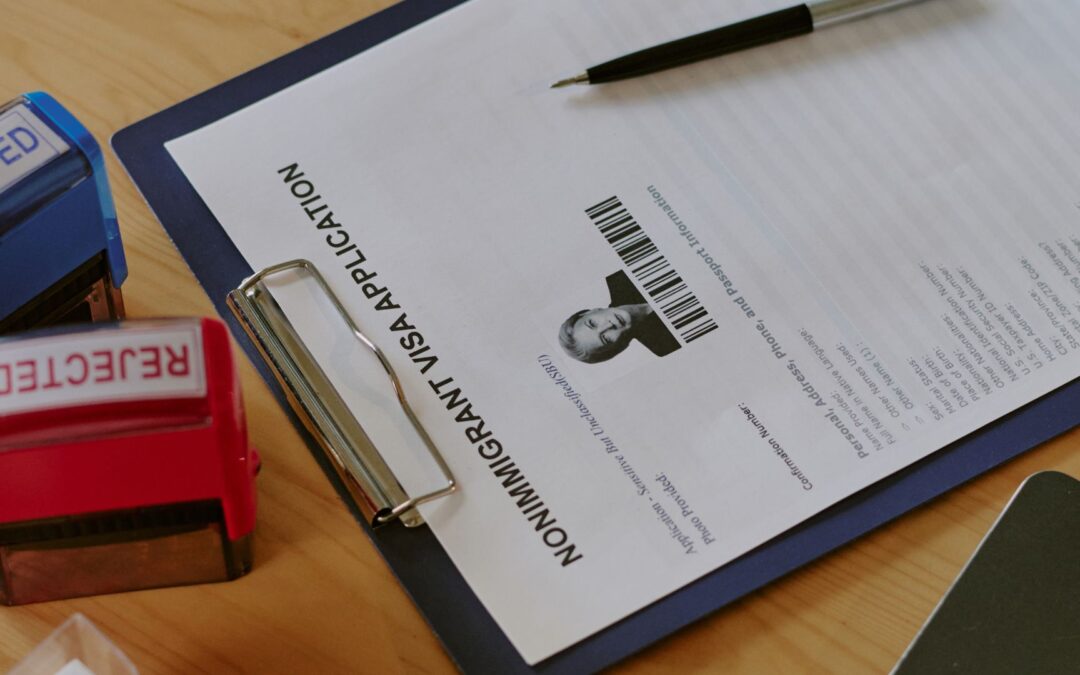
A visa rejection feels like a punch to the stomach. Your heart drops. Your plans scatter. You start asking yourself a thousand questions. You wonder if you should try again or forget the dream entirely. Many Nigerians have faced this difficult moment at least once, and most people do not know that a rejection is not the end. A rejection is simply feedback. It is painful feedback, but feedback all the same.
The truth is simple. Many Nigerians who eventually relocated successfully were once rejected. The difference is that they went back, studied their mistakes, corrected their approach, and returned with a stronger application. Visa officers are not trying to ruin your plans. They are simply assessing your documents and your intentions. Once you understand where things went wrong, you can come back with a convincing and well-structured case.
This article explains how Nigerians are turning refusal into approval and how you can do the same.
Why visas get rejected
A visa refusal usually falls into one of a few clear categories. Some applicants present incomplete documents. Some provide bank statements that raise questions. Some fail to convince the officer that they will return home after their studies or work program. Others submit statements of purpose that confuse more than they explain. Immigration officers are trained to follow instructions, and they cannot approve an application that leaves doubts.
The first key to your comeback is understanding the reason for your refusal. The refusal letter may look short or confusing, yet everything you need is hidden inside it. Once you decode it, the path becomes clearer.
The emotional stage is normal
Shock. Anger. Embarrassment. Confusion. All of these are normal reactions. Give yourself a short moment to breathe and reset. Your goal is not to fight the decision emotionally. Your goal is to present a better case on the second attempt.
A calm mind sees solutions. A stressed mind repeats mistakes.
Read the refusal letter with a strategic mindset
Many people read their refusal letter only once and then jump into blame or assumptions. Take your time. Read it carefully. Every line tells you what the officer could not accept or verify. Highlight the areas that need correction. Create a checklist based on those points. That checklist guides your next application.
Fix the foundation, not just the surface
A strong comeback requires fixing the real problem, not decorating the same mistake with new packaging. If your proof of funds was unstable, you must create a stronger financial story with consistent balances. If your documentation was incomplete, you must gather every missing page. If your course choice was unclear, you must build a logical explanation that connects your past, your present, and your future.
Your second application must feel brand new and far more organized.
Build a compelling explanation letter
A clear explanation letter can transform your application. This letter should address the refusal reasons directly without sounding defensive. It should show that you understand the officer’s concerns and have taken practical steps to correct them. The officer wants clarity, not emotion.
Explain what went wrong. Show the corrections. Demonstrate that your intention remains genuine. Keep it factual and respectful.
Strengthen your proof of funds
Financial issues are one of the biggest reasons for delay or rejection. The officer must be convinced that your money is real, accessible, and sufficient. A strong comeback requires steady balances, clear origin of funds, and supporting documents such as employer letters, savings history, or sponsorship evidence.
A stable financial profile communicates responsibility, readiness, and seriousness.
Present a clearer travel purpose
Your purpose for travelling must be obvious and well-articulated. Students need a statement of purpose that connects their previous education, their new course, and their career goals. Workers need documented experience that aligns with the job they are applying for. Visitors need strong ties that show they will return home.
A vague purpose invites rejection. A clear purpose builds trust.
Improve your ties to home
Immigration officers want assurance that you have enough reason to return home after your program. Strengthen your home ties by presenting job letters, property documents, family responsibilities, community commitments, or any evidence that shows genuine roots.
Stronger ties equal higher credibility.
Avoid recycling the same application
A surprising number of people re apply using the exact same documents that caused the rejection. This almost always leads to another refusal. Your second application must feel new, stronger, and more convincing.
Fresh documents. Clearer explanations. Better structure. Higher confidence.
Timing also matters
Your comeback should not be rushed. A quick re application without corrections is a waste of money. Take time to gather what you did not have. Take time to stabilize your bank account. Take time to build a strong case.
Some applicants re apply three months later with much better results because they used that time to fix everything properly.
Seek guidance if needed
Correct information can save you from repeated rejection. Many Nigerians rely only on friends or random internet advice. Professional support can help you organize your documents, understand your refusal reasons, and prepare a stronger comeback.
Loyalty Travels and Logistics Ltd continues to support Nigerians with proper guidance that has helped many turn disappointment into success. A refusal is painful, but it is also a map. Once you know how to read it, you can return with clarity and confidence.
Your new beginning
A visa rejection is not a full stop. It is a comma. It pauses your journey, but it does not end it. Many Nigerians who received refusals later travelled, studied, worked, and built successful lives abroad. Your story can follow the same path.
The real secret is simple. Reflect on what went wrong. Correct the foundation. Present a stronger application. Approach the process with renewed purpose. A comeback is possible. A comeback is common. A comeback is waiting for you to begin.