
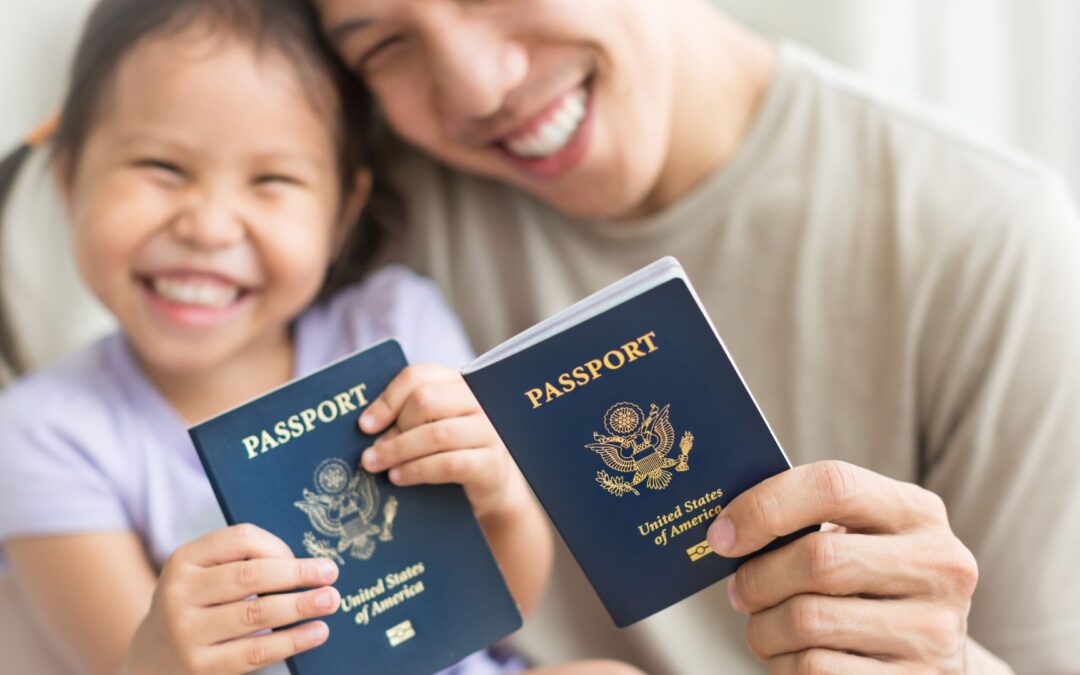
Migration is often a family decision motivated by work, education, or better life opportunities. Yet, one of the biggest challenges families face when moving abroad is separation. Parents may relocate first, leaving children behind temporarily, or families may move together, navigating a completely new cultural and social environment. In both scenarios, children often become the crucial bridge that keeps families emotionally connected, culturally grounded, and socially linked. Understanding this role is essential for families considering international relocation.
Children as Emotional and Cultural Bridges
Migrant children often take on responsibilities that go beyond their age. They become the linchpin connecting parents with extended family members back home. Through phone calls, video chats, or social media, children relay news, updates, and family stories. They help maintain cultural traditions, explain social customs, and ensure that the home language continues to be spoken in daily life.
For instance, children may help grandparents navigate technology to stay in touch with parents abroad or translate conversations between family members who speak different languages. In some cases, children become the go-to person for sharing updates about school, friends, and local events. This bridging role can reduce the emotional stress of separation for parents, providing reassurance that family ties remain strong despite physical distance.
Emotional and Social Impact on Children
While children play a pivotal role in maintaining family cohesion, this responsibility is not without its challenges. Some children may feel stressed or overwhelmed by the pressure to act as the family’s communicator, interpreter, or cultural guide. Balancing schoolwork, personal development, and family duties can create emotional strain.
However, there are significant benefits as well. Children in migrant families often develop strong resilience, adaptability, and problem-solving skills. They learn to navigate multiple social environments, manage responsibilities at home, and interact with adults and peers across cultures. Many migrant children gain advanced digital literacy as they coordinate calls, video conferences, and social media connections with family members abroad. These skills not only help them in childhood but often translate into valuable professional and personal skills in adulthood.
Preserving Cultural Identity
Children play a critical role in preserving cultural identity within migrant families. Through language, storytelling, religious practices, and participation in traditional events, children ensure that family heritage is passed to siblings and peers in their new environment. They become cultural ambassadors, sharing the values, beliefs, and customs of the home country, even while living abroad.
This role is especially important for families in multicultural societies where children might otherwise adopt the host country’s culture exclusively. By maintaining cultural practices at home, children provide continuity and a sense of belonging for the entire family.
Educational and Social Opportunities
Migration can create unique opportunities for children to develop both academically and socially. Exposure to new languages, education systems, and peer groups allows them to develop global awareness and cross-cultural competence. These experiences often enhance problem-solving, communication, and adaptability skills.
At the same time, children who act as family bridges often gain a strong sense of responsibility and empathy. They understand family challenges firsthand and develop leadership skills that can serve them well in future careers. Parents can help children leverage these experiences by encouraging them to participate in community events, extracurricular activities, and cultural programs abroad.
Practical Steps for Families
Families can support children in their bridging role while preventing undue stress or pressure. Some practical strategies include:
- Open Communication – Encourage children to express how they feel about migration, separation, and family responsibilities. Regular family meetings, whether in person or online, help children feel heard and supported.
- Shared Responsibilities – Assign age-appropriate tasks so children are not solely responsible for family communication or cultural preservation. Divide duties among siblings or involve other relatives.
- Cultural Engagement – Include children in cultural practices, celebrations, and storytelling sessions. This reinforces heritage and strengthens emotional connections with the home country.
- Professional Support – Consider counseling, mentorship, or support groups for children adjusting to life abroad. These resources can help them cope with challenges and build confidence in their bridging role.
- Education Planning – Choose schools that offer multicultural programs or language support, helping children maintain their cultural roots while excelling academically in the host country.
Long-Term Benefits
Children who successfully bridge families gain lasting benefits. They develop strong communication skills, emotional intelligence, and the ability to manage multiple responsibilities. These traits are valuable for higher education, future careers, and personal development.
Families also benefit. Parents experience less guilt and anxiety knowing that children are helping maintain family connections. Extended family members, especially grandparents, remain involved in daily life despite physical distance. This dynamic strengthens family cohesion and supports emotional wellbeing for everyone involved.
Challenges to Consider
While the benefits are clear, families should be aware of potential challenges. Migrant children may feel isolated or overwhelmed if they carry too much responsibility. Parents should ensure that children balance family duties with personal development and leisure. Cultural differences can sometimes create misunderstandings or conflict, which require open dialogue and guidance.
Additionally, long-distance communication relies on technology and internet access, which may not always be reliable in every location. Families should plan for backup options to ensure consistent connection.
Conclusion
Migrant children are essential connectors that hold families together across borders. Their role encompasses emotional support, cultural preservation, and practical assistance. While this responsibility can be demanding, children who are guided and supported thrive, developing skills and resilience that benefit them for life.
Families planning international relocation should recognize and nurture the bridging role of children. At Loyalty Travels and Logistics Ltd, we provide comprehensive relocation guidance that considers the needs of every family member. From planning travel and accommodation to offering practical tips for maintaining family cohesion abroad, we help ensure a smooth and supportive transition for families across the globe.