
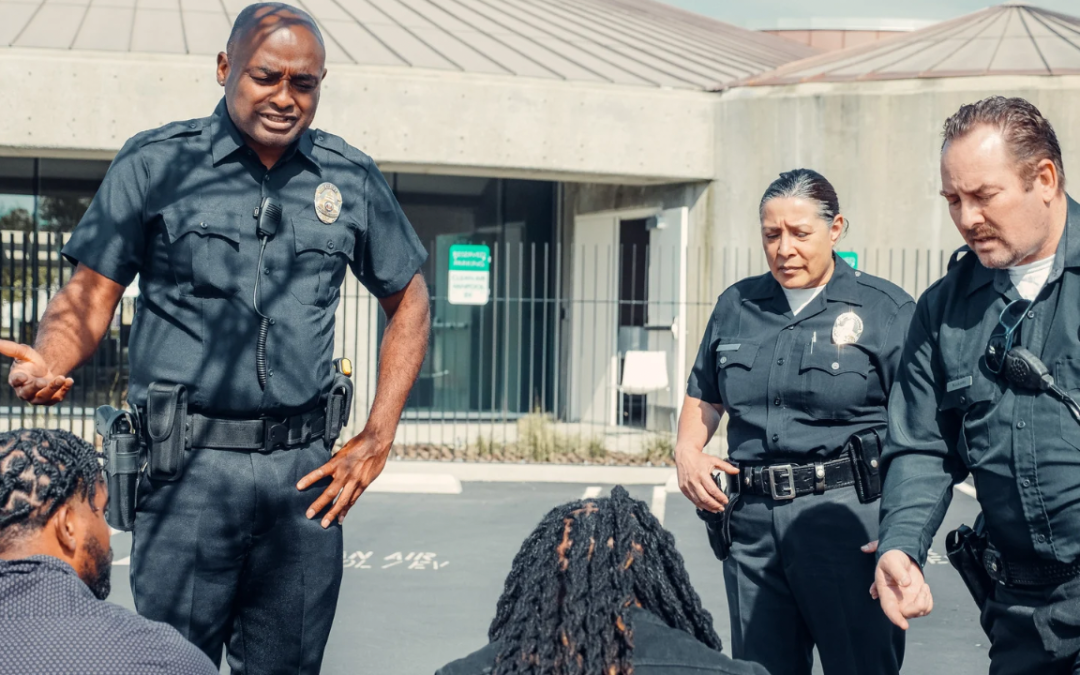
The issue of police brutality has become an urgent global topic, particularly in countries like the United States, where incidents of excessive use of force by law enforcement have sparked widespread protests and debates. For Nigerian immigrants abroad, especially those in the U.S. and other Western nations, the question arises: is police brutality a concern they should worry about? The reality is multifaceted, influenced by factors like race, immigration status, and the specific country they reside in. In this article, we’ll explore the issue of police brutality from the perspective of Nigerian immigrants, offering insights into how it affects them and what they can do to stay safe.
1. Understanding Police Brutality and Its Impact
Police brutality refers to the use of excessive or unnecessary force by law enforcement officers, often resulting in harm or injury to individuals. In many countries, police forces are entrusted with upholding the law and ensuring public safety. However, incidents of police brutality have raised concerns about racial discrimination, abuse of power, and the systemic issues embedded in law enforcement practices.
For Nigerian immigrants, particularly those living in countries like the United States, the concern is often linked to the broader issue of racial profiling and discrimination. While police brutality affects individuals of various racial backgrounds, black and brown people—especially those from African and Caribbean backgrounds—are disproportionately targeted. The infamous cases of police brutality, such as the deaths of George Floyd and Breonna Taylor, have shed light on the persistent issues faced by African American communities, which can extend to Nigerian immigrants as well.
2. Factors Contributing to Police Brutality Concerns for Nigerian Immigrants
For Nigerian immigrants, the fear of police brutality can be heightened by several factors:
a. Racial Profiling and Stereotyping: Nigerian immigrants, like other black individuals, may face racial profiling, where law enforcement officers make assumptions about a person’s character based on their race or ethnicity. These assumptions can lead to disproportionate police encounters and, in some cases, escalation of tension or violence.
b. Immigration Status: Immigrants, particularly those who may not have full legal status, might be more vulnerable to mistreatment by law enforcement. They may fear deportation or legal consequences if they report incidents of police brutality. This fear often discourages individuals from speaking up when their rights are violated.
c. Lack of Familiarity with Legal Protections: Nigerian immigrants may not be fully aware of the legal rights and protections available to them in their new country. In many cases, immigrants may be unfamiliar with the nuances of local law enforcement practices and how to respond in confrontational situations with police. This lack of knowledge can leave them more susceptible to mistreatment.
d. Cultural Differences: Nigerian immigrants often come from countries where the relationship with law enforcement may differ significantly from that in the U.S. or the UK. In some cases, the authority of police may be viewed more strictly in Nigerian society, leading to hesitation when engaging with police officers abroad. This can sometimes result in fear or misunderstanding when interacting with law enforcement in the host country.
3. High-Profile Incidents of Police Brutality and Their Effects
Several high-profile incidents of police brutality have heightened concerns among Nigerian immigrants. For example, in the U.S., cases like the shooting of unarmed black men, including Nigerians, by police officers have made headlines and sparked global protests under the Black Lives Matter movement. These incidents have put a spotlight on the challenges faced by African immigrants and how they are often subjected to unfair treatment.
One of the more prominent examples is the tragic killing of Nigerian immigrant Oluwatoyin Salau, who was murdered by a man who had initially been confronted by police. This and similar events have left Nigerian communities abroad grappling with how to navigate living in a country where systemic issues of racism and police brutality continue to affect them.
4. What Nigerian Immigrants Can Do to Stay Safe
Although police brutality is a concerning issue, there are several ways Nigerian immigrants can protect themselves and reduce the risk of negative encounters with law enforcement:
a. Know Your Rights: It is crucial for Nigerian immigrants to familiarize themselves with their legal rights in the country they reside. Many organizations offer free legal education to help immigrants understand what to do during interactions with law enforcement. In many countries, individuals have the right to remain silent, request an attorney, and avoid unlawful searches and seizures.
b. Avoid Escalating Situations: In tense situations with law enforcement, it’s important to stay calm, avoid confrontation, and follow the instructions given by officers. Keeping a respectful and calm demeanor can sometimes de-escalate potential conflicts. In some cases, it might be wise to record an interaction with police (if it’s safe to do so), as this can serve as a record if needed.
c. Build Community Support: Nigerian immigrant communities abroad often have local organizations that provide support for those facing issues with law enforcement. These organizations can offer legal advice, advocate for immigrant rights, and help navigate difficult situations. Networking with fellow immigrants can also create a supportive space to share experiences and knowledge.
d. Stay Informed About Current Events: Nigerian immigrants abroad should stay updated on the latest news regarding police brutality and racial justice movements. Being informed can help them understand current policies, incidents, and social movements, and equip them to respond appropriately in times of crisis.
5. Support from Nigerian Consulates and Embassies
Nigerian immigrants should also be aware of the resources available to them through their local Nigerian embassy or consulate. These institutions can provide consular assistance, especially in cases where immigrants face mistreatment or other legal challenges with law enforcement. Many consulates offer legal resources and can connect individuals with appropriate legal aid.
Conclusion: Navigating the Concerns of Police Brutality
While police brutality is undoubtedly a concern for Nigerian immigrants, it is not something that should deter them from living, studying, or working abroad. By understanding the risks, knowing their rights, and staying informed, Nigerian immigrants can minimize the potential impact of police brutality on their lives.
At Loyalty Travels and Logistics Ltd., we understand the importance of ensuring a smooth transition when moving abroad, and we are here to assist you with all aspects of your relocation. From helping with visa processes to advising you on safety tips abroad, we are committed to your well-being every step of the way. Reach out to us today and let us help you make your international journey both safe and successful.
Contact Loyalty Travels and Logistics Ltd. now for personalized relocation services and expert guidance on settling abroad!