
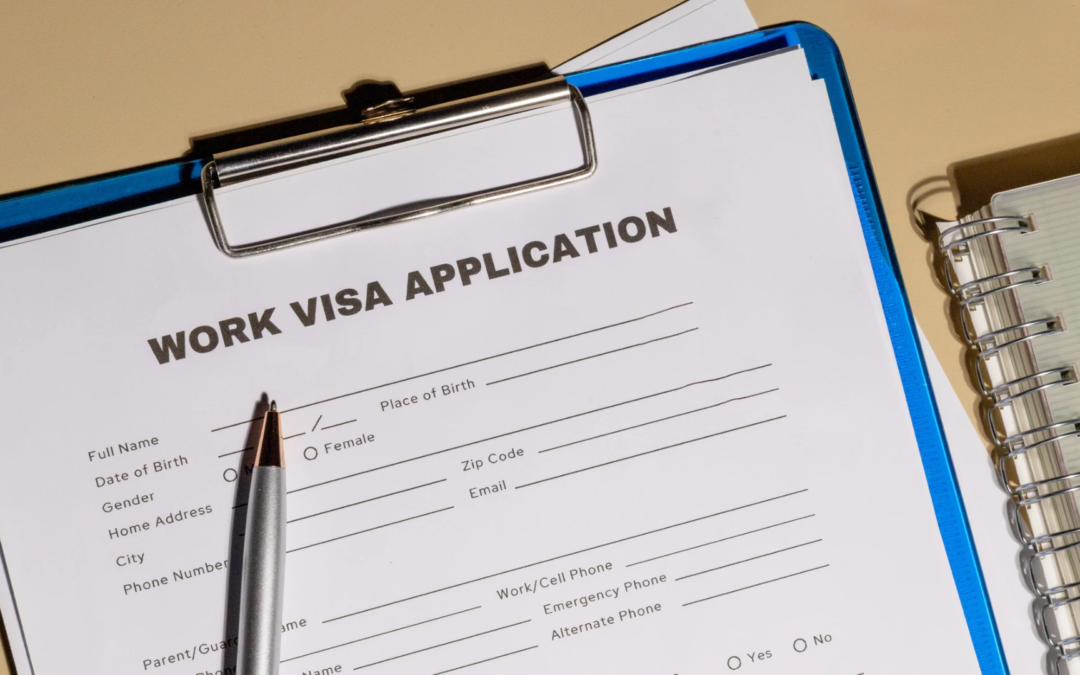
Many visa applicants underestimate how much weight embassies place on employer letters, sometimes thinking they are just formalities. In 2026, these letters have become critical documents that can make or break your work or study visa application. Beyond proving employment, they provide context about your role, salary, leave approval, and alignment with your purpose abroad. Poorly written or missing letters can trigger delays, additional document requests, or even refusals.
This article explores why employer letters matter, what officers look for, common mistakes, and practical steps to strengthen your application.
Why Employer Letters Matter
Visa officers examine employer letters to verify that an applicant has genuine employment and credible ties to home or current country. The letters help answer key questions:
- Does the applicant have legitimate income to support themselves?
- Will the applicant return to work after temporary study or travel?
- Is the course or work abroad aligned with professional experience and career growth?
- Are salary, position, and leave information consistent with the declared funds and visa type?
In short, employer letters are a credibility checkpoint. They confirm your story and support claims about finances, purpose, and ties.
Components of a Strong Employer Letter
Not all letters are equal. Visa officers look for specific elements that demonstrate credibility:
- Official Letterhead
Letters must be on company letterhead with company registration details. Unsigned or generic letters are often questioned. - Clear Employment Dates
Start date, current status, and, if applicable, promotion history show stability and ongoing employment. - Position and Responsibilities
Detailed descriptions of your role indicate experience and relevance to your proposed study or work abroad. - Salary and Benefits
Providing salary, bonuses, or allowances helps officers evaluate financial capability for travel or tuition. - Leave Approval
Explicit mention that leave has been granted for the duration abroad reassures officers of your intent to return. - Signatory Contact Details
Officers may verify letters, so including names, positions, phone numbers, and emails adds authenticity. - Purpose Alignment
For study or specialized training, the letter should confirm the relevance of your planned course or overseas work to your current role.
Common Mistakes Applicants Make
Even well-meaning applicants sometimes undermine their own applications:
- Generic Letters
Letters that say little more than “employee works here” fail to provide context. - Missing Details
Omitting leave dates, salary, or responsibilities creates doubt. - Contradictions
Mismatches between CV, application, and employer letter raise red flags. - Unsigned or Informal Emails
Officers prefer formal, signed letters on letterhead rather than casual email confirmations. - Late Letters
Submitting letters at the last minute may suggest rushed or unverified claims, inviting closer scrutiny.
Mistakes in employer letters often result in additional documentation requests, which can delay processing significantly.
Why Alignment Matters More Than Ever
In 2026, embassies are paying closer attention to alignment between employer letters and visa purpose. For example:
- A marketing professional applying for a short business course abroad should have a letter detailing current marketing responsibilities, the purpose of the course, and approved leave.
- A nurse applying for a specialized healthcare program overseas should have a letter confirming professional experience, relevant training, and permission to attend the program.
Letters that do not align with the declared purpose often trigger suspicion of intent, increasing the risk of visa delays or refusals.
Country-Specific Considerations
Different countries emphasize different aspects of employer letters:
- United States: Work-related or study-related employer letters help demonstrate ties to home country and eligibility for non-immigrant visas.
- Canada: Letters showing current employment, salary, and leave approval reinforce financial capacity and genuine temporary intent.
- UK and Ireland: Detailed letters with clear professional relevance are critical for both work and study applications.
- Schengen Countries: Letters confirming employment and leave help satisfy proof of ties and support claims of financial stability.
Understanding country-specific nuances is essential to crafting strong letters.
How to Strengthen Employer Letters
Applicants can take proactive steps to ensure letters have maximum impact:
- Request Specific Details
Ask HR or your manager to include dates, salary, role description, leave approval, and relevance to your purpose abroad. - Provide a Template or Guide
Offering a template ensures all required details are included without making the letter appear fabricated. - Ensure Consistency
Cross-check that dates, titles, and financial figures match your CV and application forms. - Get Official Signatures
Signed letters on company letterhead with official contact information enhance credibility. - Explain Relevance
Include statements showing how the overseas program aligns with career progression or company support. - Early Submission
Obtain letters well before visa submission to allow for revisions and verification if needed.
Where Loyalty Travels Helps
Loyalty Travels and Logistics Ltd specializes in ensuring employer letters maximize your visa approval potential:
- Reviewing letters for completeness and alignment
- Providing templates for clear, effective presentation
- Advising on country-specific expectations
- Cross-checking consistency with other documents
- Identifying and correcting potential red flags
With professional guidance, even complex employment situations can be presented convincingly.
Conclusion
Employer letters are not mere formalities; they are a key part of your visa narrative. A strong, detailed, and aligned letter communicates responsibility, financial stability, and genuine intent.
In 2026, applicants who neglect employer letters risk delays, additional documentation requests, or refusals. By securing well-prepared, coherent, and verified letters, you can significantly strengthen your application.
With support from Loyalty Travels and Logistics Ltd, applicants can ensure that employer letters reinforce credibility, demonstrate alignment, and make a compelling case to visa officers. Well-crafted letters are more than documentation—they are a passport to confidence and smoother visa approval.