
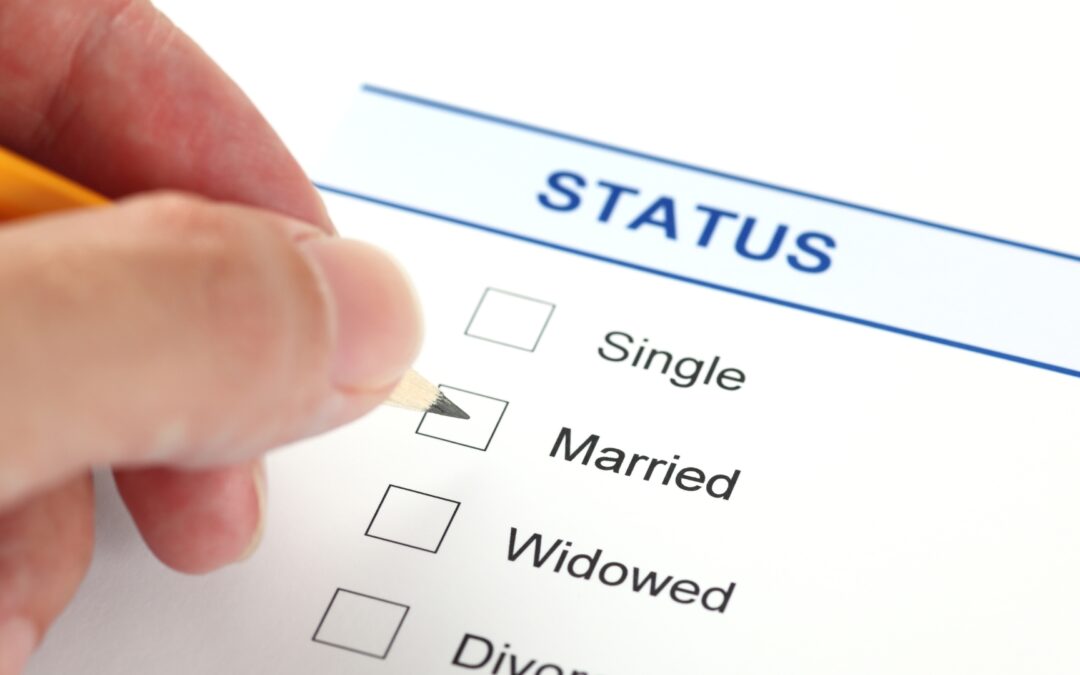
Many visa applicants believe marital status alone can make or break an application. Single applicants worry they look like flight risks. Married applicants assume approval will be easier. Some rush into marriage. Others hide relationships out of fear.
The truth is more nuanced.
Embassies do not approve visas because someone is single or married. They approve visas based on credibility stability and intention. Marital status is simply one factor used to assess those things.
Understanding how it is interpreted can prevent costly mistakes.
Why embassies consider marital status at all
Visa systems are designed to assess risk.
Authorities want to know whether an applicant will respect visa conditions. Marital status helps them assess personal ties responsibilities and likelihood of return.
A single person may appear flexible and mobile. A married person may appear anchored. Neither is automatically good or bad.
What matters is how the status aligns with the overall story.
Being single does not weaken a visa application
Many approved applicants are single.
Problems only arise when the application lacks strong ties or purpose. A single applicant with clear career plans stable income education history and financial structure often looks credible.
Single applicants are refused when:
There is no clear post study or post visit plan
Financial independence is weak
The purpose of travel is vague
There is a history of overstays or weak travel records
Single status itself is rarely the issue.
Being married does not guarantee approval
Marriage is not a visa shield.
Married applicants face questions too. How will the family be supported. Will dependents follow later. Is the income sufficient. Does the move make sense for the household.
Applications weaken when:
The spouse has no clear role in the plan
Financial capacity is stretched
Marriage appears rushed or undocumented
Dependents are hidden or misrepresented
Embassies dislike incomplete stories more than any marital status.
Declaring dependents honestly is critical
One of the biggest reasons for refusal is misrepresentation.
Applicants sometimes hide spouses or children thinking it improves approval chances. This often backfires.
Visa officers cross check records. Inconsistencies damage trust. Even if approved initially future applications can suffer.
Transparency always performs better.
Marriage timing can raise questions
Marriage shortly before an application can raise silent questions.
Why now
Is the move genuinely planned
Is the relationship stable
This does not mean refusal is automatic. It means documentation must be strong. Marriage certificates proof of relationship and consistent narratives matter.
How marital status affects different visa types
Study visas focus on academic progression and intention. Marriage matters only if it affects funding or post study plans.
Work visas focus on employer need and skill. Marriage is secondary unless dependents are included.
Visitor visas assess return ties more closely. Family responsibilities can help but only when supported by financial and social evidence.
Each visa category weighs marital status differently.
What embassies really want to see
Embassies want coherence.
They want to see that your personal life supports your visa intention not contradicts it.
A single applicant with a solid plan is strong. A married applicant with structured finances and clarity is strong.
Problems arise when the story does not add up.
Final thoughts
Marital status does not decide visas. Planning does.
Applicants get into trouble when they assume marriage is an advantage or singleness is a disadvantage. Both assumptions are flawed.
What embassies approve is consistency. Purpose. Financial clarity. Honest disclosure.
When these are in place marital status becomes context not a verdict.