
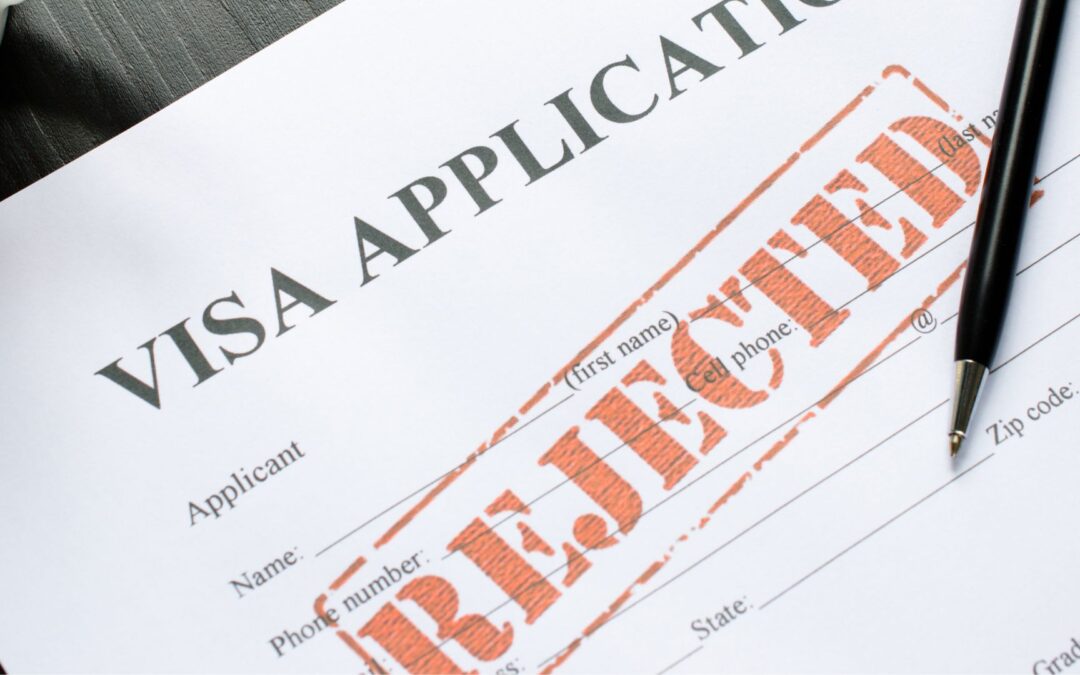
For many Nigerians, a visa refusal feels like the end of the road. You’ve spent money, submitted endless documents, prayed hard—and still, the embassy says no. But here’s the truth most agents won’t tell you:
A refusal is not a dead end. It can be a stepping stone—if you know how to learn from it.
Thousands of people get refused on their first attempt and still relocate later. Some even say their second application was stronger because of the first rejection.
Let’s show you how to turn that “No” into your comeback story.
Why Nigerian Applications Get Refused
Visa officers don’t just reject at random. Most refusals fall under the following reasons:
Unclear ties to Nigeria (they’re not convinced you’ll return)
Suspicious funding sources
Weak study or work intent
Inconsistencies in your documents
Poor interview performance
Overstayed or illegal travel history
Understanding your reason is the first step to a better second try.
Step 1: Request and Read Your Refusal Letter Carefully
Many applicants get emotional and skip this. But the refusal letter tells you exactly what to fix.
Look out for:
Codes like R76(1) or 216(1)(b) (for Canada)
Generic phrases like “insufficient ties to home country”
Refusals based on financial credibility, intent, or documentation
If it’s vague, you can request GCMS notes (Canada) or ask for clarification through a lawyer or certified agent.
Step 2: Understand What Changed Since Your First Application
To be approved next time, your story must evolve. Ask yourself:
Did I fix my financial proof?
Have I gained more travel history or work experience?
Do I now have a stronger school or job offer?
Did I address the concerns raised in my refusal?
You must show the visa officer that this new application is not a copy-paste.
Real-Life Examples: From Rejection to Relocation
Case 1: Mary, 27, Rejected for Weak Purpose of Study (Canada)
She reapplied with:
A better-written Letter of Explanation
Updated Statement of Purpose connecting her course to her career
Evidence of promotion at her current job
She was approved within 6 weeks.
Case 2: Emeka, 34, Rejected for Insufficient Funds (UK)
He reapplied 8 months later with:
6 months’ bank statements showing consistent salary
Letter from employer confirming leave and intent to return
His visa was approved on the second try.
Step 3: Write a Strong New Letter of Explanation
Don’t ignore your past refusal. Acknowledge it briefly and explain how your new application addresses it.
“My previous application was refused due to unclear proof of funds. I have now included 6 months of bank statements, a salary breakdown from my employer, and a notarized affidavit from my sponsor.”
Be honest, not defensive.
Step 4: Reapply Strategically—Not Emotionally
Don’t rush into reapplying the next day. Take your time to:
Review your documents with a professional.
Avoid repeating mistakes.
Apply for a different route if necessary (e.g., from study to skilled work).
Bonus Tip: Try a Different Country or Pathway
If you’ve been refused twice or more, consider:
Countries with simpler or more transparent visa systems (e.g., Ireland, Portugal, Malta)
Cheaper schools with fewer funding requirements
Visa-free or eVisa countries to build travel history
Sometimes, the way in is not where you first looked.
Final Thoughts: Rejection Isn’t the End
Getting refused hurts—but it also teaches. Every successful migrant has a story that includes obstacles. What matters is whether you learn from the “No” or let it stop you.
You’ve already started the journey. Let the next step be smarter, stronger, and better guided.
Don’t go through your next application alone.
Loyalty Travels and Logistics Ltd helps Nigerians bounce back from visa refusals with expert reviews, personalized guidance, and real solutions—not guesswork.
Book a rejection review session today.