
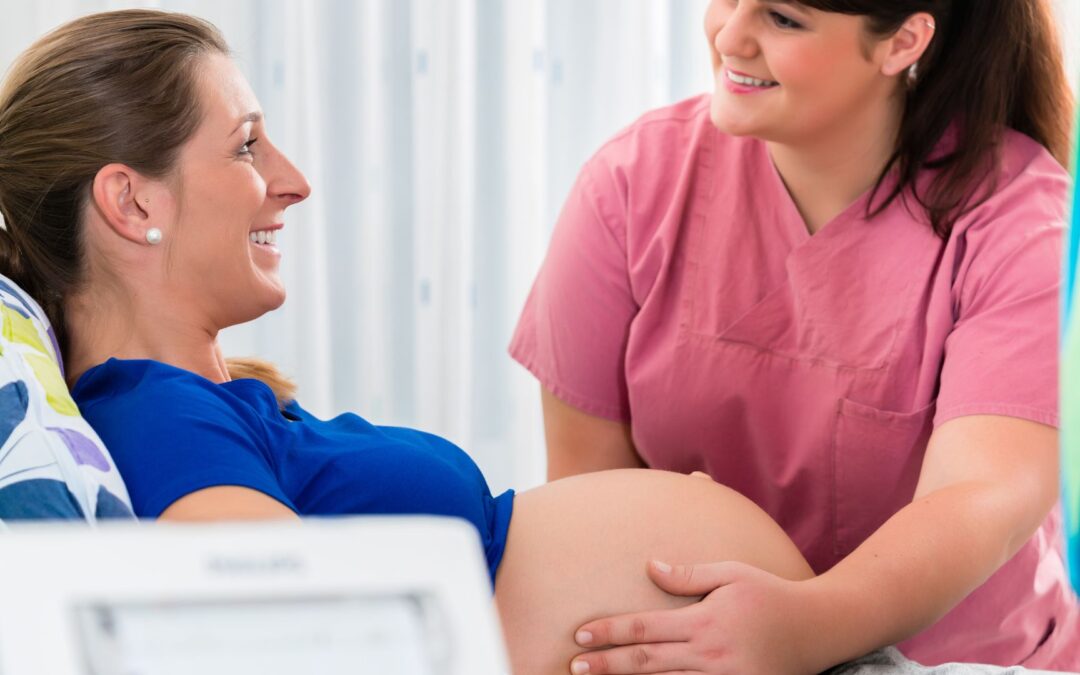
Midwifery is emerging as one of the most in-demand healthcare professions globally. While nurses, doctors, and care workers often dominate discussions about relocating for work, midwives are quietly becoming essential in countries facing shortages in maternal health staffing. African midwives who wish to relocate abroad now have opportunities to build stable, well-compensated careers while providing critical care to mothers and families.
Countries such as the United Kingdom, Ireland, New Zealand, Australia, and Canada have structured pathways for midwives to work legally. These routes often come with relocation assistance, guidance on licensing, and settlement support. Shortages of qualified professionals mean employers are actively recruiting internationally and providing incentives such as visa sponsorships, professional development programs, and in some cases, fast-tracked permanent residency.
The Benefits of Working Abroad as a Midwife
- Competitive Salaries and Benefits
African midwives relocating abroad can expect competitive income, paid leave, structured work hours, and opportunities for career growth. Unlike some local healthcare systems, midwives in these countries are recognized as primary care providers for maternal health rather than assistants, giving you professional autonomy and respect. - Structured Work Environments
Healthcare systems abroad often have clear protocols, defined responsibilities, and advanced facilities. This allows midwives to work efficiently and focus on delivering quality care without the disruptions often encountered in overburdened healthcare systems at home. - Professional Development Opportunities
Many countries offer funded training programs, workshops, and clinical assessments that allow midwives to enhance their skills. This exposure to advanced practices, technology, and patient management strategies adds significant value to your career. - Global Experience and Exposure
Working abroad allows you to gain experience in different healthcare systems, engage with diverse patient populations, and collaborate with international teams. Such experience strengthens your professional profile and can open doors to leadership positions in the future. - Pathways to Permanent Residency
Countries like Australia, New Zealand, and Canada often provide skilled workers, including midwives, with accelerated pathways to permanent residency. This can turn a temporary work opportunity into a long-term life change, providing stability for your family and the chance to fully integrate into your new country.
Challenges and Practical Realities
While the opportunities are significant, midwives moving abroad must be prepared for the realities:
- Documentation and Licensing: Each country has strict requirements for midwifery practice. African midwives must submit verified qualifications, professional experience, identity documents, and in most cases, pass competency or bridging programs.
- Cultural Sensitivity: Working with diverse populations requires adapting to cultural norms, communication styles, and patient expectations that may differ from your home country.
- Workload and Professional Expectations: While systems abroad are structured, midwives are often given full responsibility for antenatal, intrapartum, and postnatal care. This requires discipline, attention to detail, and effective communication with other healthcare professionals.
- Language Requirements: Although English-speaking countries simplify this aspect, proficiency in local language may still be needed for licensing exams or patient communication.
Steps to Prepare for Working Abroad as a Midwife
- Verify Qualifications
Ensure your midwifery degree or diploma is recognized internationally. If needed, consider bridging courses or conversion programs that align with the destination country’s licensing requirements. - Document Professional Experience
Prepare detailed evidence of your clinical experience, including patient care logs, reference letters, and proof of practice. This demonstrates competence to employers and regulatory bodies. - Language and Communication Skills
If relocating to an English-speaking country, ensure you meet the required proficiency tests. For non-English speaking countries, start learning the local language early to ease integration. - Research Licensing Pathways
Understand the steps needed to register and work legally in your chosen country. This includes competency exams, background checks, health screenings, and submission of identity documents. - Plan Financially
Budget for travel, accommodation, visa fees, relocation costs, and initial living expenses. Ensure you have enough savings to cover the period between arrival and your first paycheck. - Network and Seek Guidance
Engage with professional associations, alumni networks, and relocation services. This will help you understand employer expectations, cultural norms, and job availability.
How Loyalty Travels and Logistics Ltd Supports Midwives
Our team helps African midwives navigate every aspect of international relocation:
- Guidance on country-specific licensing requirements
- Assistance with CV upgrades and employer-ready documentation
- Relocation planning including flights, accommodation, and initial settlement
- Preparation for interviews with overseas hospitals
- Continuous support until you are fully settled in your new role
Conclusion
Working abroad as a midwife is not just a career choice; it is an opportunity to grow professionally, make a global impact, and achieve long-term stability. African midwives who plan properly, gather the right documents, and seek expert guidance can navigate the licensing process efficiently, secure meaningful roles, and even access pathways to permanent residency. Loyalty Travels and Logistics Ltd is ready to guide you through every step, ensuring your transition is smooth, structured, and successful.