
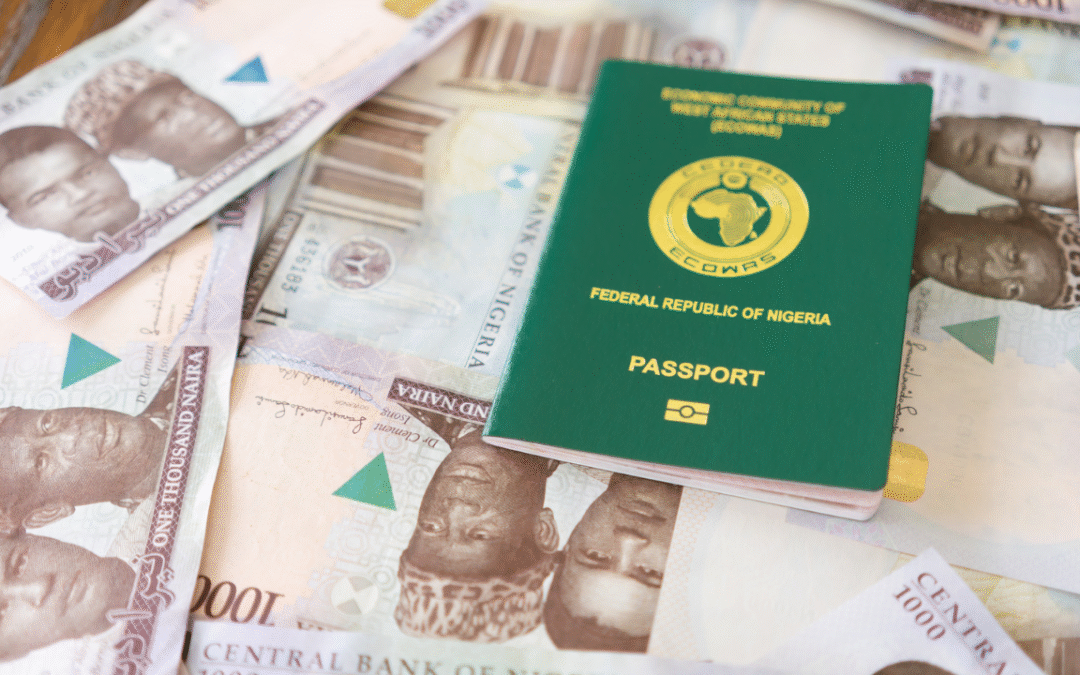
When it comes to international travel, not all passports are created equal.
For many Nigerians and Africans in general, the biggest challenge in traveling abroad isn’t just affording the ticket or securing an admission letter—it’s carrying a passport that opens very few doors. Your passport can either unlock the world or close it in your face, no matter how qualified or financially stable you are.
Let’s break down how passport strength affects your visa chances, mobility, and what options you have to improve it.
What Does “Passport Power” Mean?
Passport power refers to how many countries you can visit without needing a visa or with visa-on-arrival or e-visa access. Countries like Japan, Singapore, Germany, and Finland rank highest in the world, with their citizens enjoying access to over 180 destinations visa-free.
By contrast, Nigeria’s passport ranks among the lowest, with access to fewer than 50 countries visa-free—and most of those are in West Africa.
That means for Nigerians:
- You’re almost always required to apply for a visa, even just for short tourism or business trips.
- You’ll often face long wait times, high denial rates, and extra documentation requirements.
- Some countries view certain African passports as “high-risk,” making visa approval more difficult regardless of your personal qualifications.
How It Affects Your Travel and Visa Experience
- Longer Application Processes:
You’ll need to plan your travel months ahead because embassies often take longer to process applications from “red-flag” passports.
- More Scrutiny:
You may be asked to prove stronger financial standing, accommodation plans, travel history, and return intentions—even when applying for just a 7-day tourist trip.
- Higher Visa Refusal Rates:
Many Africans, especially first-time travelers, are denied visas for reasons like “insufficient ties” or vague “concerns about your intent.” These are harder to argue when your passport lacks credibility in the eyes of consular officers.
- Transit Limitations:
Even flying through certain countries might require a transit visa, which stronger passport holders don’t need.
Is There a Way to Improve This?
Yes—but not overnight. Here are some strategic paths to consider:
1. Build Travel History in Easier Countries First
Before applying for the U.S., Canada, or Schengen visas, consider traveling to visa-free countries first. Your travel history boosts your credibility. Options include:
- Ghana, Kenya, or Rwanda (visa-free or e-visa for Nigerians)
- Maldives, Seychelles, or Mauritius
- Some Caribbean or South American countries
2. Consider Dual Citizenship or Second Passport Programs
Some African travelers explore second citizenship through:
- Ancestry (Ghana, Sierra Leone offer routes to diaspora citizens)
- Residency and investment (e.g., Turkey, Caribbean nations like Saint Kitts or Dominica)
These second passports can unlock better visa-free access, sometimes giving you the ability to bypass lengthy visa processes altogether.
3. Naturalization After Relocation
If you relocate to a country like Canada, Australia, or Ireland and gain citizenship after several years, your new passport may significantly boost your global mobility.
Final Thoughts
Your passport shouldn’t define your future, but it does affect your starting point. If you hold a weaker passport like Nigeria’s, you need to be more strategic, informed, and intentional when planning to travel, study, or relocate abroad.
At Loyalty Travels and Logistics Ltd, we understand the unique challenges faced by Africans in the visa process. Our job is to help you navigate it—smartly, ethically, and successfully.
Want to learn how to build a visa-friendly profile even with a low-ranking passport?
Let Loyalty Travels guide your journey—reach out today.