
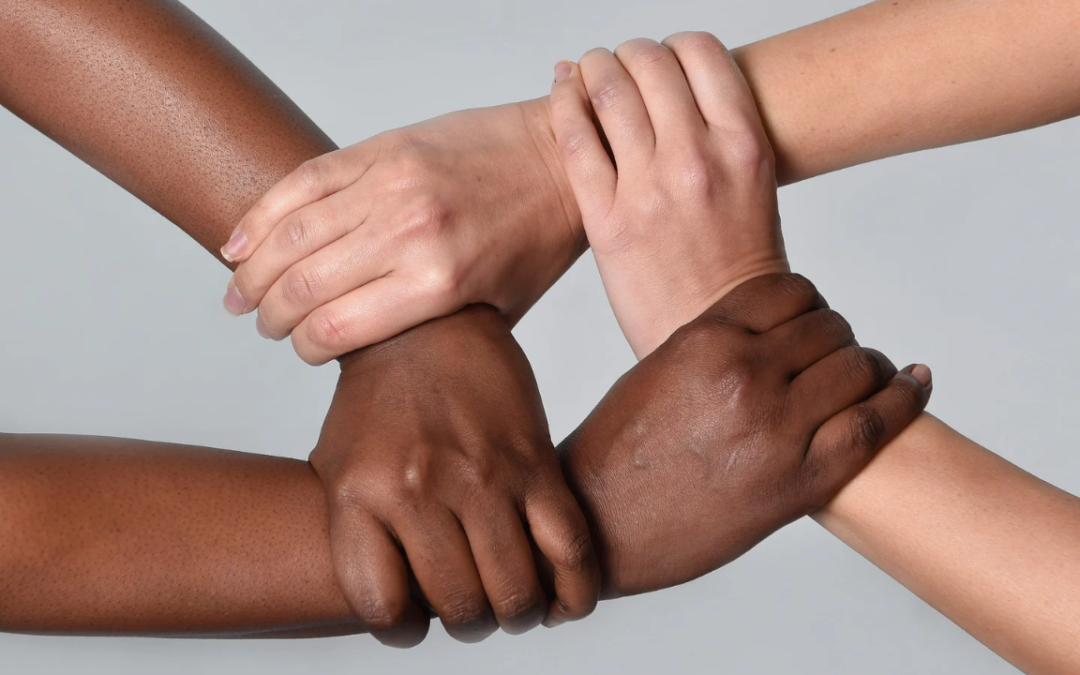
Immigrating to a new country can be a thrilling yet challenging experience. For many, the promise of better opportunities, safety, and a new beginning outweighs the uncertainties that come with starting life in an unfamiliar environment. However, one harsh reality that new immigrants may face in their new home is racism and segregation. Despite the progressive image many countries project, systemic inequalities and biases persist, and immigrants—especially those from marginalized backgrounds—often find themselves navigating discrimination in various forms.
This article will explore the challenges new immigrants face when dealing with racism and segregation and provide some strategies for coping and thriving in a new society.
Understanding Racism and Segregation
Racism is a complex social issue, encompassing prejudice, discrimination, and bias based on someone’s race or ethnicity. Segregation, on the other hand, refers to the physical or social separation of groups based on race or ethnicity. While overt forms of segregation and racism are less common in many parts of the world, subtle, systemic forms of discrimination continue to affect immigrants, particularly those from non-white, non-Western backgrounds.
For new immigrants, these forms of discrimination can feel isolating and overwhelming. They may encounter prejudice from locals who are unfamiliar with or intolerant of people from different racial or ethnic backgrounds. They may also find themselves living in neighborhoods that are racially or ethnically segregated, where their opportunities for integration and upward mobility are limited.
Racism in the Workplace
One of the most common and significant challenges new immigrants face is racism in the workplace. Whether in the form of unequal hiring practices, microaggressions from colleagues, or biases in promotion opportunities, immigrants can find themselves excluded or marginalized in professional settings. Those who speak English with an accent or have unfamiliar names may experience additional barriers in the job market.
In many cases, the lack of a strong professional network can exacerbate these challenges. Immigrants may struggle to break into established circles of influence, which can limit their career advancement. It’s essential for new immigrants to understand their rights in the workplace, seek support from advocacy organizations, and remain persistent in pursuing their professional goals.
Segregation in Housing and Education
Another area where new immigrants may experience racism and segregation is in housing and education. Many urban areas are still segregated by race and ethnicity, often as a result of historical housing policies like redlining. New immigrants may find themselves steered toward specific neighborhoods, sometimes due to affordability but also due to racially biased practices from landlords or real estate agents. This can restrict their options for better housing and limit their access to quality schools and resources.
In education, students from immigrant backgrounds might face discrimination or feel out of place due to cultural and linguistic differences. Teachers and classmates may not always understand or appreciate their cultural heritage, which can lead to feelings of alienation. Moreover, students from immigrant families might face challenges related to language barriers or difficulty accessing educational support services.
Overcoming Racism and Segregation: Practical Tips
While facing racism and segregation can be discouraging, there are several strategies new immigrants can use to cope and overcome these challenges:
- Seek Support Networks
One of the most important things new immigrants can do is build a support network. This may include fellow immigrants who share similar experiences, local community organizations, or even online groups. These networks can provide emotional support, share resources, and offer advice on navigating discrimination. - Educate and Advocate
Educating oneself about the country’s laws and the resources available for dealing with discrimination is crucial. Many countries have laws that prohibit discrimination in employment, housing, and education. Immigrants should be aware of their rights and take action if they face unfair treatment. Local advocacy groups can often assist with legal support or offer guidance on how to address instances of racism or segregation. - Get Involved in Your Community
Integration into the broader community is one way to combat segregation. New immigrants should make an effort to connect with local organizations, volunteer, and participate in social and cultural events. Building relationships with people from diverse backgrounds can foster greater understanding and lessen the impact of prejudice. - Focus on Education and Skill-building
Education and continuous skill development can help new immigrants rise above discrimination and segregation. Pursuing language classes, vocational training, or higher education can provide immigrants with the tools they need to compete in the job market and build fulfilling careers. - Practice Self-care and Resilience
The emotional toll of dealing with racism and segregation can be overwhelming, and it’s essential for immigrants to prioritize their mental health. Practices such as meditation, counseling, or connecting with family and friends back home can provide relief and emotional resilience.
Role of the Government and Institutions
While individual efforts are important, systemic changes are necessary to tackle racism and segregation on a broader scale. Governments and institutions must play an active role in ensuring that immigrants are treated fairly and have access to opportunities for social and economic integration.
This includes implementing policies to promote diversity and inclusion in the workplace, schools, and housing markets. It also means supporting anti-discrimination laws, offering language programs, and providing resources for community-building initiatives. By creating an environment where immigrants feel valued and included, societies can ensure that newcomers thrive and contribute positively to their new home.
Conclusion
Dealing with racism and segregation as a new immigrant can be a daunting experience. However, with the right support, education, and resilience, it is possible to overcome these challenges and build a successful and fulfilling life in a new country. By connecting with supportive communities, advocating for oneself, and focusing on personal growth, immigrants can navigate these obstacles and work toward a brighter future.
Travel with Confidence: Let Loyalty Travels and Logistics Ltd. Be Your Guide
Starting life in a new country is already a big step—let Loyalty Travels and Logistics Ltd. take the stress out of the journey. Whether you’re immigrating for work, education, or family, we offer comprehensive travel services that help ensure a smooth transition. From visa assistance to relocation logistics, we’ve got you covered. Contact us today to learn more about how we can support you in your move and take advantage of our exclusive promotions designed to make your journey easier and more affordable!